For homeowners
We inspect your roof and attic, show you photos of the failed flashing, and give you a flat price before we start. Most repairs finish the same day.
- Ceiling stain after rain
- Chimney or pipe boot leak
- Water in the attic
Roof flashing leak repair Knoxville TN starts with finding the real entry point, not guessing. We inspect valleys, step flashing, pipe boots and chimney counters, then seal or rebuild the failed metal so wind driven rain stays outside. If you need a flashing leak fix Knoxville homeowners can count on, we work Knox County roofs daily and can usually get eyes on yours the same day you call.
 Trace the entry pointRebuild the flashingHose-test the repair
Every flashing repair starts with a full inspection of the leak area and the attic side. We then rebuild the failed flashing with new metal, seal the joints with manufacturer-grade caulk, and test the repair with water before we leave. Here is what is covered in a standard visit.

We check the roof surface, flashing details and attic with a moisture meter and infrared thermal camera. You get photos of what failed and a clear explanation of why it leaked, not just a verbal guess.
We remove the old step flashing, pipe boot, counter-flashing or valley metal and install new material sized to your roof. Shingles get reset with proper nailing, and the new flashing ties into the existing courses.
Seams get Sika or Henry polyurethane sealant, and we add Grace Ice & Water Shield where the old underlayment has failed at valleys or wall transitions. That combination handles Knoxville's rain and temperature swings.
Before we pack up, we run water over the repaired area with a hose test kit and watch the attic side for drips. If anything is still wet, we keep working until it is dry. You see the test result.
We email you before-and-after photos of the repair, magnet-sweep the yard for nails, and haul off the old flashing. You get a written record of the work for your home files.
The approach is the same for a home and a business. What changes is the access, the schedule and who needs the paperwork.
We inspect your roof and attic, show you photos of the failed flashing, and give you a flat price before we start. Most repairs finish the same day.
We inspect each roof, document failed flashing and penetrations, and provide a photo report with repair pricing per unit. Repairs can be scheduled in one block.
A plain-language look at what Roof Flashing Leak Repair involves and when it is needed.
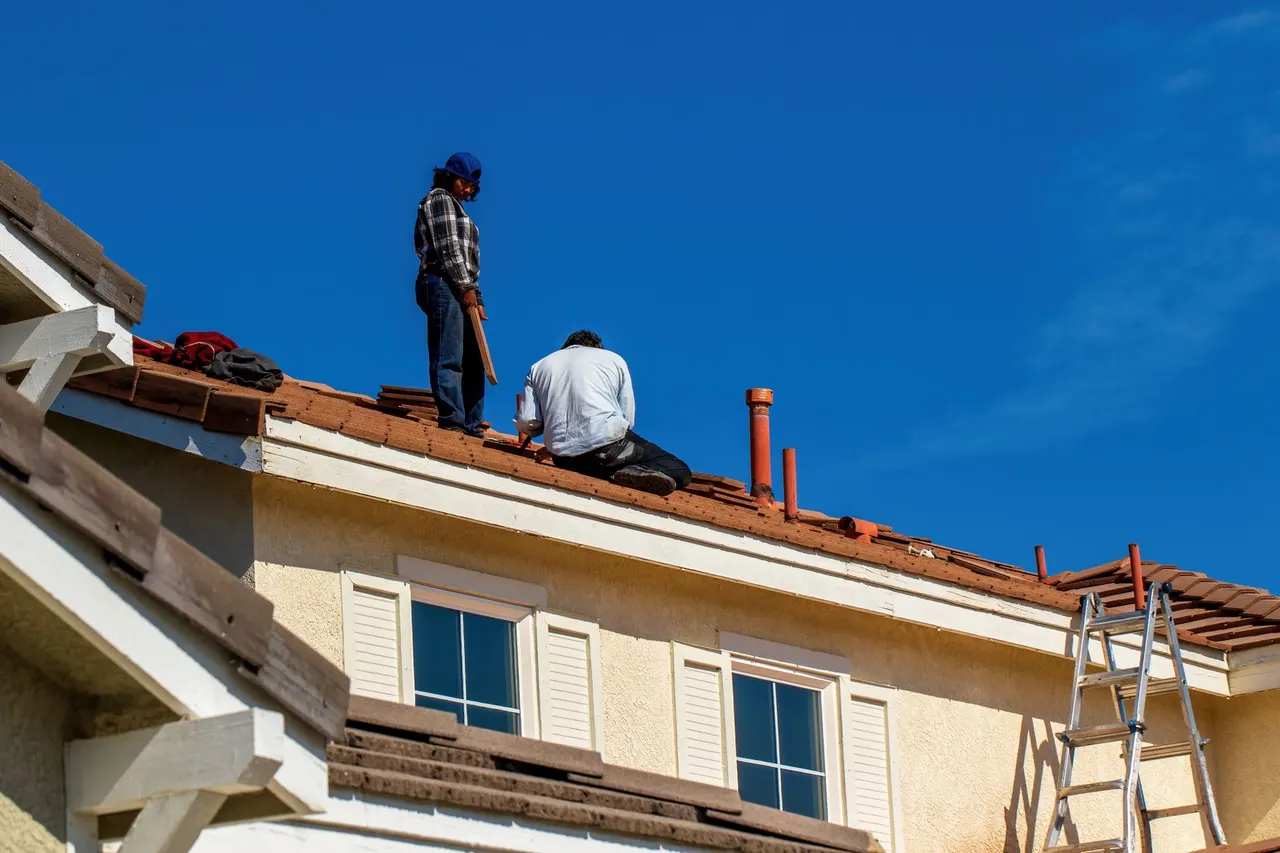
See how it worksRoof flashing leak repair Knoxville TN is the trade of rebuilding the metal and sealant joints that keep water out of your roof's weak spots. Flashing is the aluminum, copper or galvanized steel that wraps chimneys, walls, valleys, vents and pipe penetrations. When caulk shrinks, nails back out, or step flashing rusts through, water walks straight into your attic. We pull the failed pieces, replace them with new metal, and tie them back into the shingles so the roof sheds water the way it was built to.
Knoxville gets about 50 inches of rain a year, plus summer thunderstorms that drive water sideways under lifted flashing. Homes in Fountain City and Holston Hills often have 20- to 40-year-old chimneys with original flashing that has finally given up. If you have been searching for flashing leak repair near me Knoxville, that is usually the moment a stain shows up on the ceiling. We handle roof flashing repair Knoxville Tennessee wide, from single pipe boots to full chimney re-flashing.
Flashing leaks start at the metal, not the ceiling stain.
You get a clear sequence: we inspect, we show you photos, we fix the flashing, we test it, and we clean up. Here is how a typical roof flashing leak repair in Knoxville TN runs from call to completion.
We ask where the stain is, how long it has been there, and whether it shows up after every rain or only in storms. That tells us whether you are dealing with a flashing leak, a roof valley leak or a nail pop. We schedule a same-day or next-morning visit and text you the window.

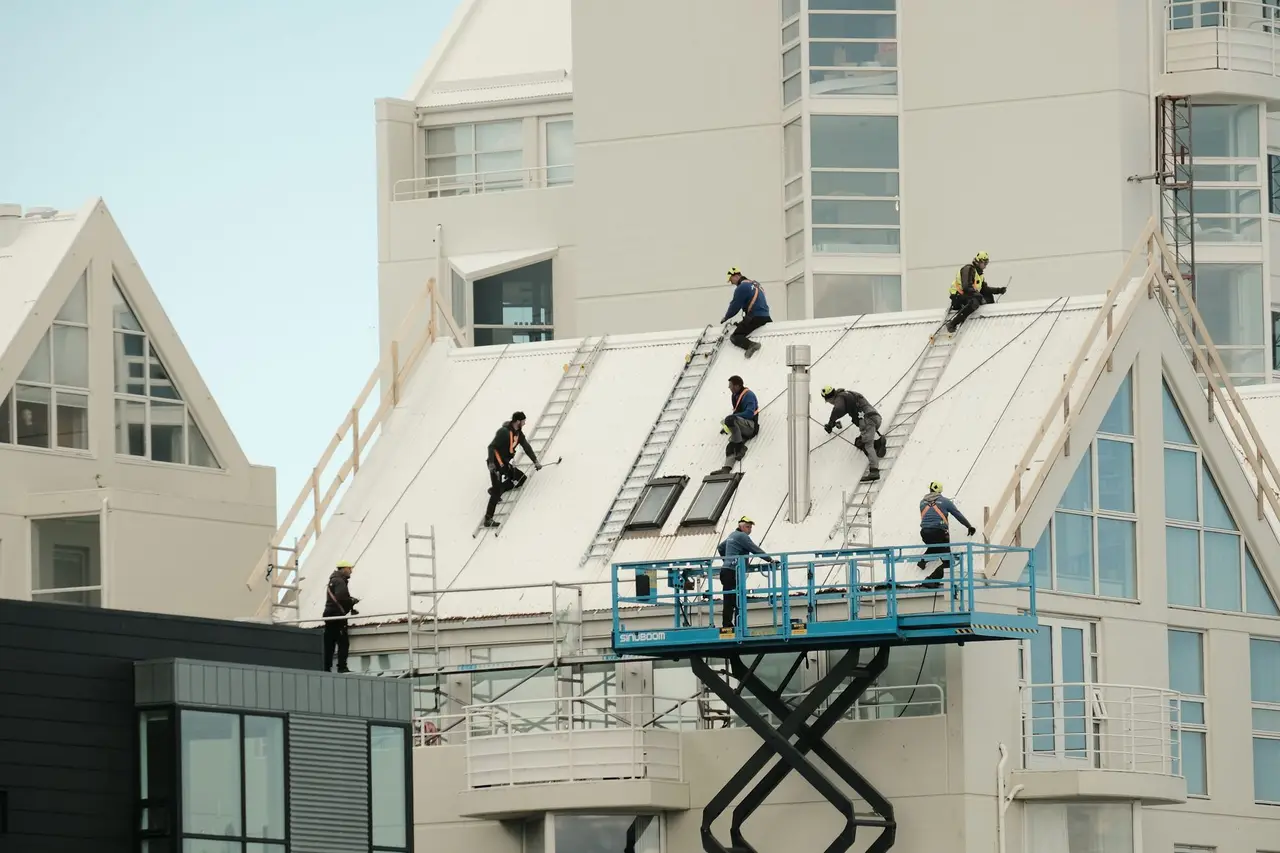
On site, we walk the roof with a roof ladder and check every penetration, then go inside the attic with a moisture meter and infrared thermal camera. We photograph the wet decking, the failed caulk lines and the flashing that has pulled loose. You see the same pictures we do.

We explain what failed and why, then give you a flat price for the repair before any work starts. If the flashing is fine and the leak is actually a skylight leak or chimney leak, we tell you that instead of selling you flashing work you do not need.
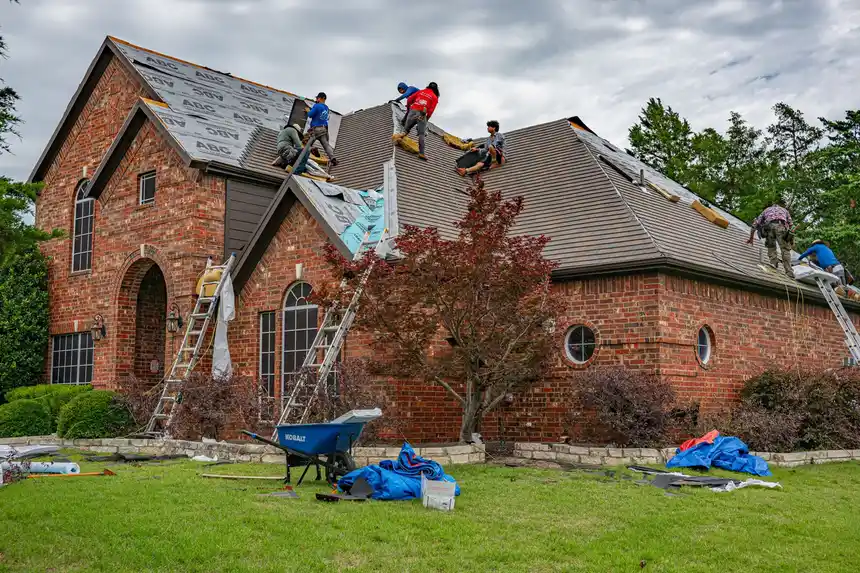
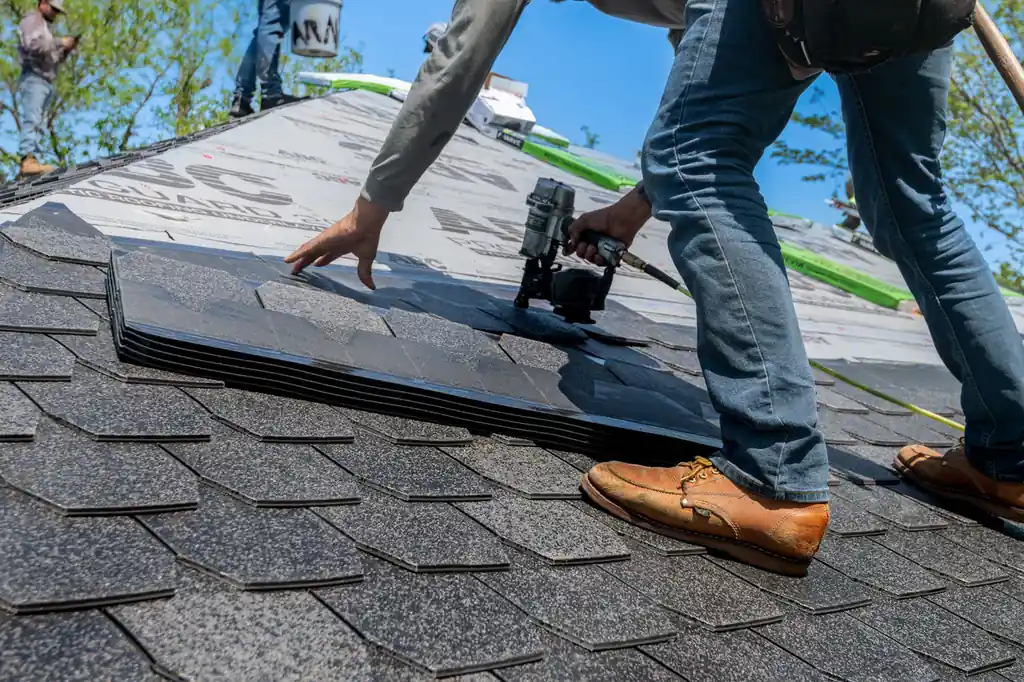
We pull the old step flashing, pipe boot or counter-flashing, replace it with new metal, and reset the shingles with a nail gun using the correct pattern. Seams get Sika or Henry roof sealant, and valleys get ice and water shield where the old underlayment has failed.
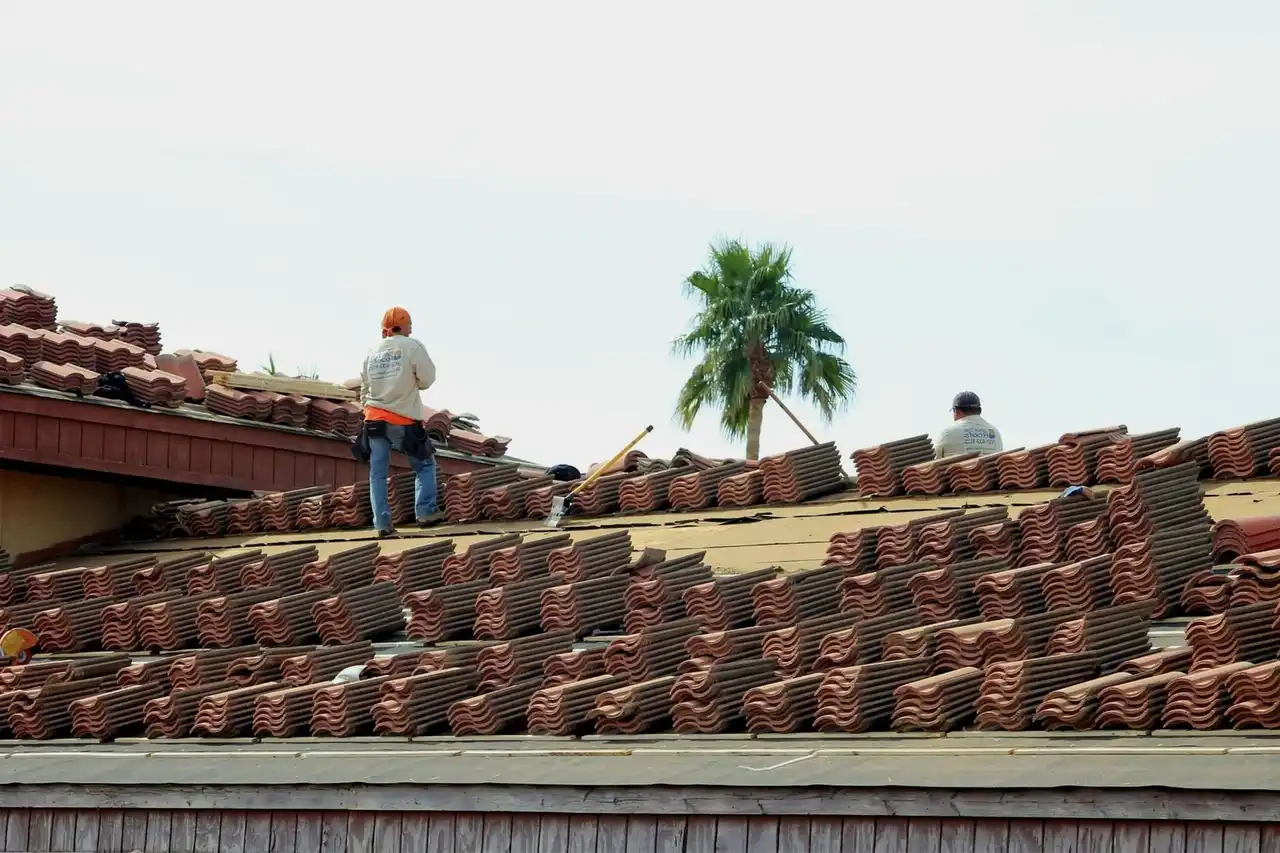
Before we leave, we run water over the repaired area with a hose test kit and watch the attic side for drips. If it is dry, we magnet-sweep the yard for nails, haul off the old flashing, and email you the photo report. Most jobs wrap in under four hours.
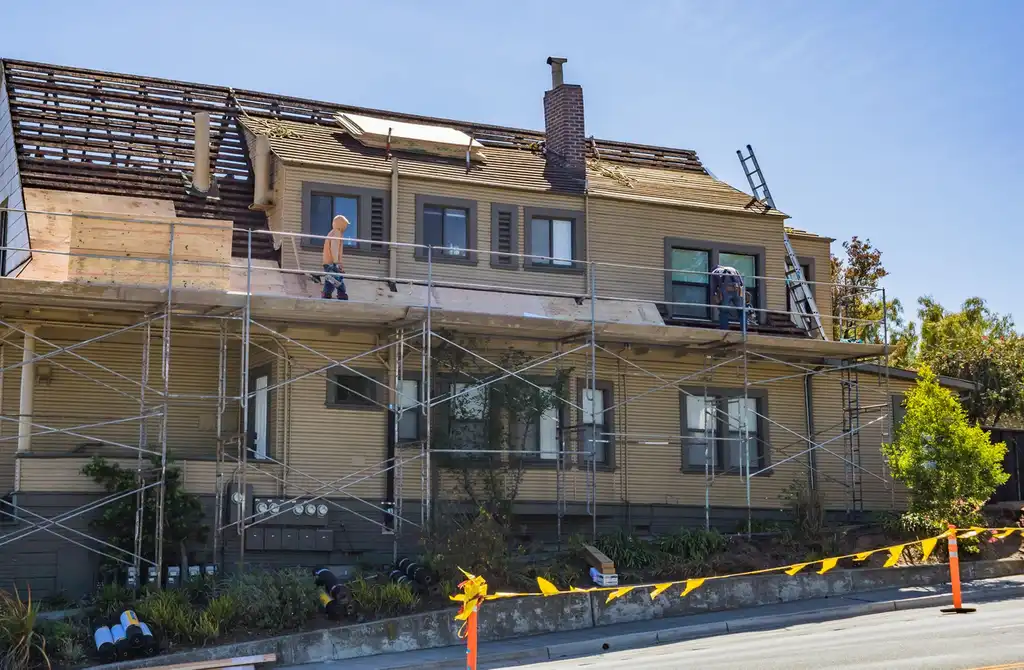
Move across a circle, or focus it and press Enter, for an illustrative thermal view of the photograph.
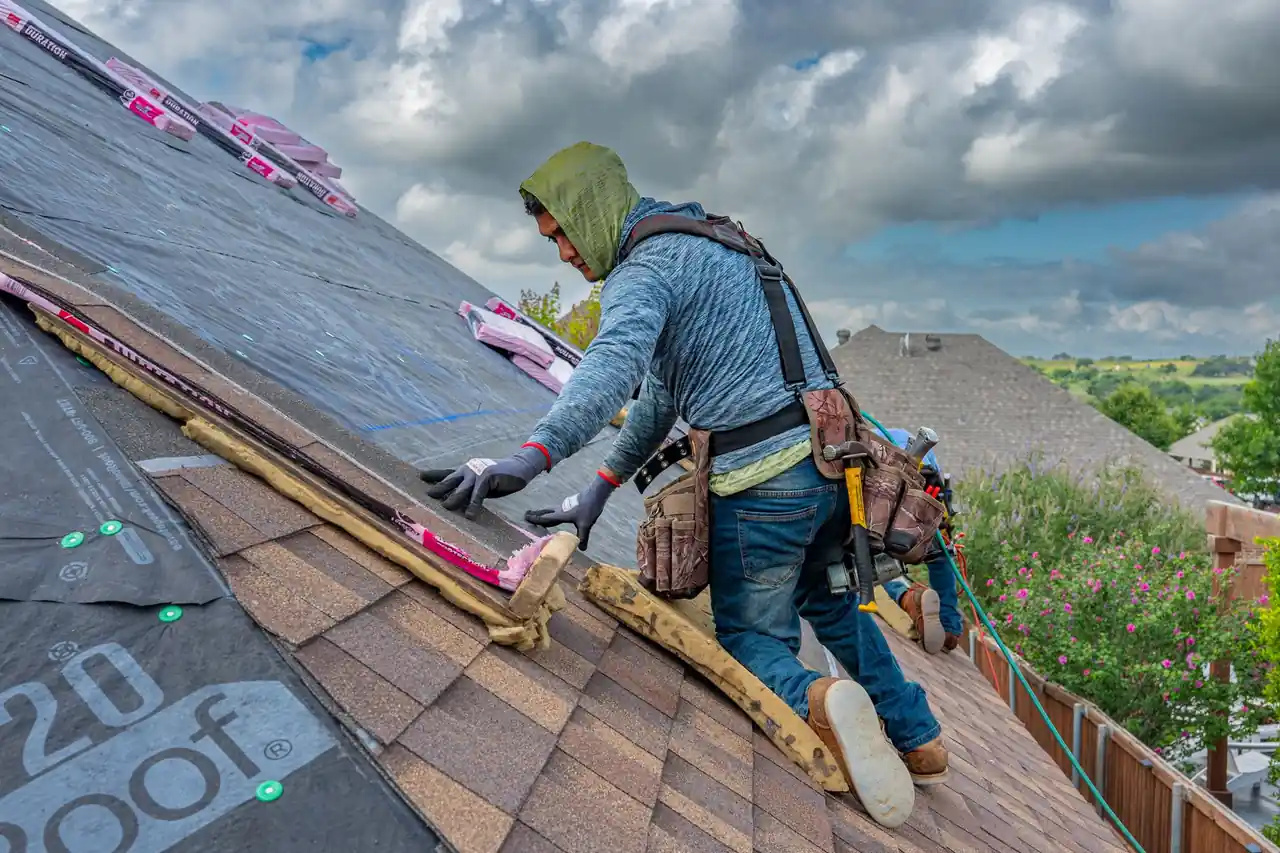
Finds wet decking and insulation behind ceilings without tearing into the drywall. We use it to trace the leak path from the attic side.

Confirms which framing and sheathing is wet so we know how far the repair needs to extend. It also tells us when the area has dried.

Applies controlled water to the repaired flashing while we watch the attic side. It is the final check before we call the job done.

Gets us safely onto steep pitches and lets us lift shingles without tearing them. Both are standard on every truck.
Applies Sika and Henry sealants precisely and removes old flashing without damaging the surrounding shingles.
Thermal views are illustrative, generated from the photographs.
Checks tall chimneys and steep roofs from the air when walking them is not safe. We use it to document conditions before and after repairs.
We rebuild flashing in the same layered order the roof was designed for: ice and water shield first, then step flashing, then shingles, then counter-flashing. Each layer sheds water to the next, so a single failed seal does not become a leak.
Every flashing repair gets a controlled hose test before we leave. We watch the attic side for drips and do not consider the job finished until the area stays dry under running water.
We photograph the failed flashing, the new installation and the test result. You get the images by email, which gives you a record of the work and helps with any future roof questions.
We follow GAF, Owens Corning and CertainTeed nailing patterns for shingles around flashing. Correct fastener placement keeps shingles from lifting and reopening the leak path.
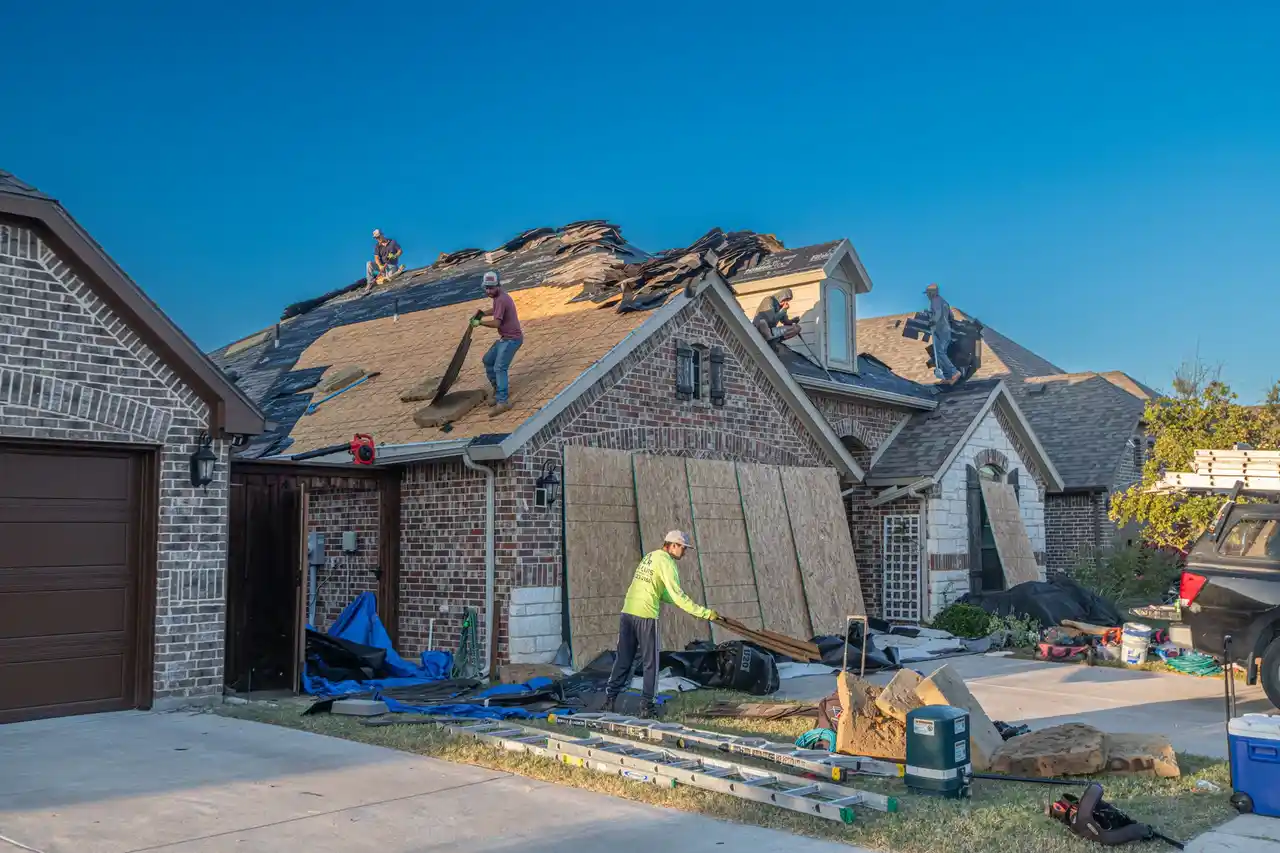
A ceiling stain appears after a heavy thunderstorm in South Knoxville.
We inspect the attic with a moisture meter, trace the wet path to a failed pipe boot, and replace the boot the same day. A hose test confirms the fix before we leave.
Outcome: The stain stops growing and the ceiling dries out. You get photos of the old boot and the new one for your records.
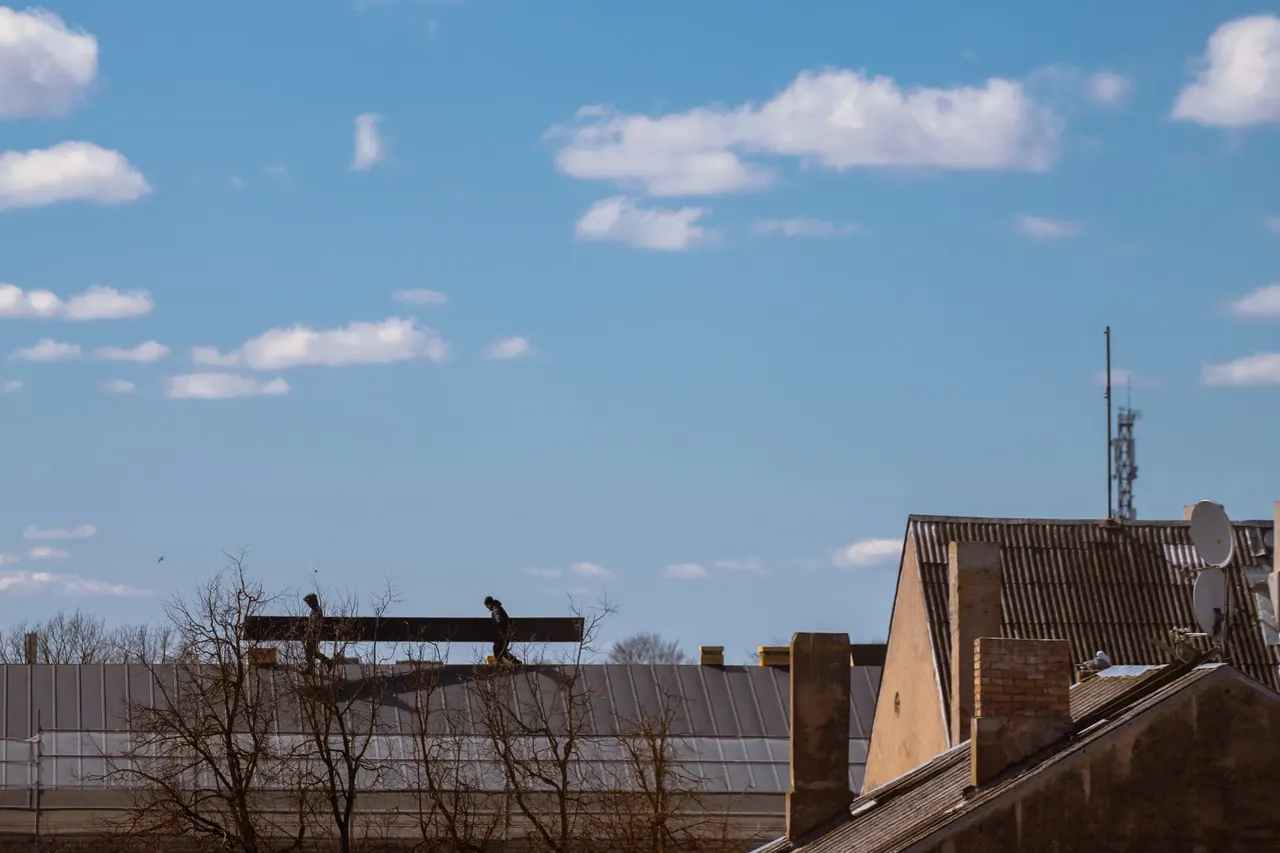
An older home in Old North has original chimney flashing that has never been replaced.
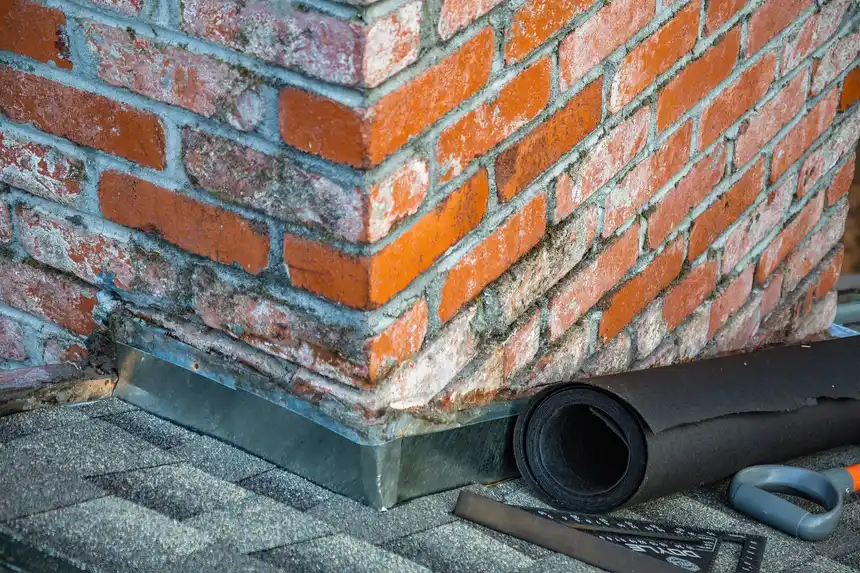
We rebuild the chimney flashing with new counter-flashing and step flashing, then seal the masonry joint. The repair is tailored to the brick and roof pitch.
Outcome: The chimney stops leaking and the attic stays dry through the next rainy season. The new flashing should last 20 years or more.

A property manager in West Knoxville needs several rental roofs inspected after a windstorm.
We inspect each roof, document lifted flashing and missing shingles, and provide a photo report with repair pricing per unit. Repairs are scheduled in one block.
Outcome: All the flashing issues are corrected and the manager has documentation for each property. No surprise leaks at turnover.
A homeowner in Farragut notices water dripping near a skylight during a storm.
We check the skylight curb flashing and find the sealant has failed. We re-flash the curb, replace the sealant, and test with water.
Outcome: The skylight stops leaking and the ceiling below stays dry. The repair costs far less than replacing the skylight.
A homeowner in Cedar Bluff sees a water stain spreading on the ceiling two days after rain.
We trace the leak to a failed roof-to-wall flashing detail, replace the step flashing and counter-flashing, and seal the joint. A hose test verifies the repair.
Outcome: The stain stops spreading and the wall cavity dries out. The repair is documented with photos for the homeowner's records.

Knoxville's climate is hard on flashing. We get roughly 50 inches of rain a year, plus freeze-thaw cycles in January that work caulk loose and ice dams that push water under flashing at the eaves. Summer storms drive rain sideways, which finds every lifted step flashing and cracked pipe boot.
Homes in older neighborhoods like Old North, Lonsdale and Chilhowee Hills often have original chimney flashing that has finally rusted through. Newer builds in Hardin Valley and Turkey Creek tend to have pipe boot failures first. We work to Tennessee code requirements and use materials rated for the local temperature range.
If you need a flashing leak fix Knoxville homeowners trust, we know where these roofs fail and how to correct them.

Before: A 1950s brick chimney had original counter-flashing that had rusted through. Water ran down the chase and stained the ceiling in the room below. The attic insulation was wet in a two-foot circle around the chimney.
After: We removed the old flashing, installed new step flashing and counter-flashing, and sealed the masonry joint. The hose test ran clean. The ceiling stain stopped growing and the insulation dried out within a week.
Check the chimney flashing each spring for lifted metal or cracked sealant. A quick sealant touch-up every few years keeps the joint watertight.
Before: A cracked rubber pipe boot was dripping water onto the hallway ceiling every time it rained. The stain had spread to about 18 inches across. The homeowner had tried roof cement as a temporary fix, but it failed within weeks.
After: We cut out the old boot, installed a new one sized to the pipe, and sealed it into the shingles. The hose test showed no drips. The ceiling dried and the stain stopped spreading.
Inspect the rubber collar on your pipe boots once a year. If it looks cracked or brittle, replace the boot before it starts leaking.
Before: Corroded valley metal and trapped leaves caused water to back up under the shingles. The decking along the valley was soft and the attic showed a long wet streak. The homeowner noticed a stain spreading across the ceiling after a storm.
After: We cleared the debris, replaced the valley metal, and installed new ice and water shield under the shingles. The valley now drains freely. The decking was replaced and the attic dried out.
Keep valleys clear of leaves and debris. An annual roof check in the fall prevents water from backing up under the flashing.
Flashing leaks show up in a handful of predictable ways. Knowing which one you have helps us bring the right materials and finish the repair in one visit.
A proper flashing repair stops the leak and protects your decking and ceilings.
Most flashing leak repairs take two to four hours once we are on the roof. We carry step flashing, pipe boots, ridge cap and Henry roof cement on every truck, so a typical chimney or vent leak gets sealed the same visit instead of waiting on a parts order.
Water can enter at a pipe boot leak and show up eight feet away at a ceiling fan. We use a moisture meter and infrared thermal camera to trace the path, then confirm with a hose test kit before we cut or seal anything. No guesswork, no repeat callbacks.
A slow flashing leak soaks decking and insulation for months before you see a stain. We replace rotten sheathing and wet underlayment while we are in there, which protects the structure and keeps mold from taking hold in your attic.
We install Grace Ice & Water Shield at valleys and wall transitions, then seal with Sika or DAP polyurethane caulk rated for the temperature swings Knoxville sees. That combination handles ice dams in January and 95-degree July afternoons without cracking out.
Clear records you can keep and share.

Before and after images of the repair
Written price before work starts
Hose test result noted in the report
What was installed and where
Not all flashing fails the same way. Knowing the type helps you understand what we find.
L-shaped metal woven into shingles at walls and chimneys.
Rubber collars around plumbing vents.
W-shaped metal that carries water between roof planes.
A list like this tells people straight away whether you cover their street. Not listed? Call and ask: it only takes a minute.
Based in Knoxville and covering the places around it. Pick one for local details.
A single pipe boot replacement sits at the low end. Chimney re-flashing with new counter-flashing and step flashing lands higher because it takes more time and material. We give you the flat price after the inspection, before any work starts.
The usual cause is failed sealant or rusted metal at a penetration. Tennessee sun bakes caulk until it cracks, then wind driven rain pushes under the lifted edge. Nail pops and missing shingles around the flashing make it worse. We see it most on chimneys and pipe boots older than 15 years.
Knoxville Roofing Company handles flashing leak repair across Knox County, from Fountain City to Farragut. Call (865) 2988-904 and we will schedule a look, often the same day.
Yes. If water is actively coming in, we treat it as an emergency flashing leak repair Knoxville call and try to get a technician out the same day. We can tarp or seal the flashing to stop the water, then return with the right metal and materials to complete the permanent repair once the weather allows.
Other services from the same team.
Water stains spread fast. Call Knoxville Roofing Company at (865) 2988-904 and we will get a technician on your roof, often the same day. Flat pricing before work starts, photo proof when we finish.
Call us at (865) 2988-904 or send an email, and we will get back to you the same business day. We answer leak calls Monday through Friday, 8am to 6pm, and we check messages after hours for active leaks. Tell us what you are seeing and we will tell you what it likely is.