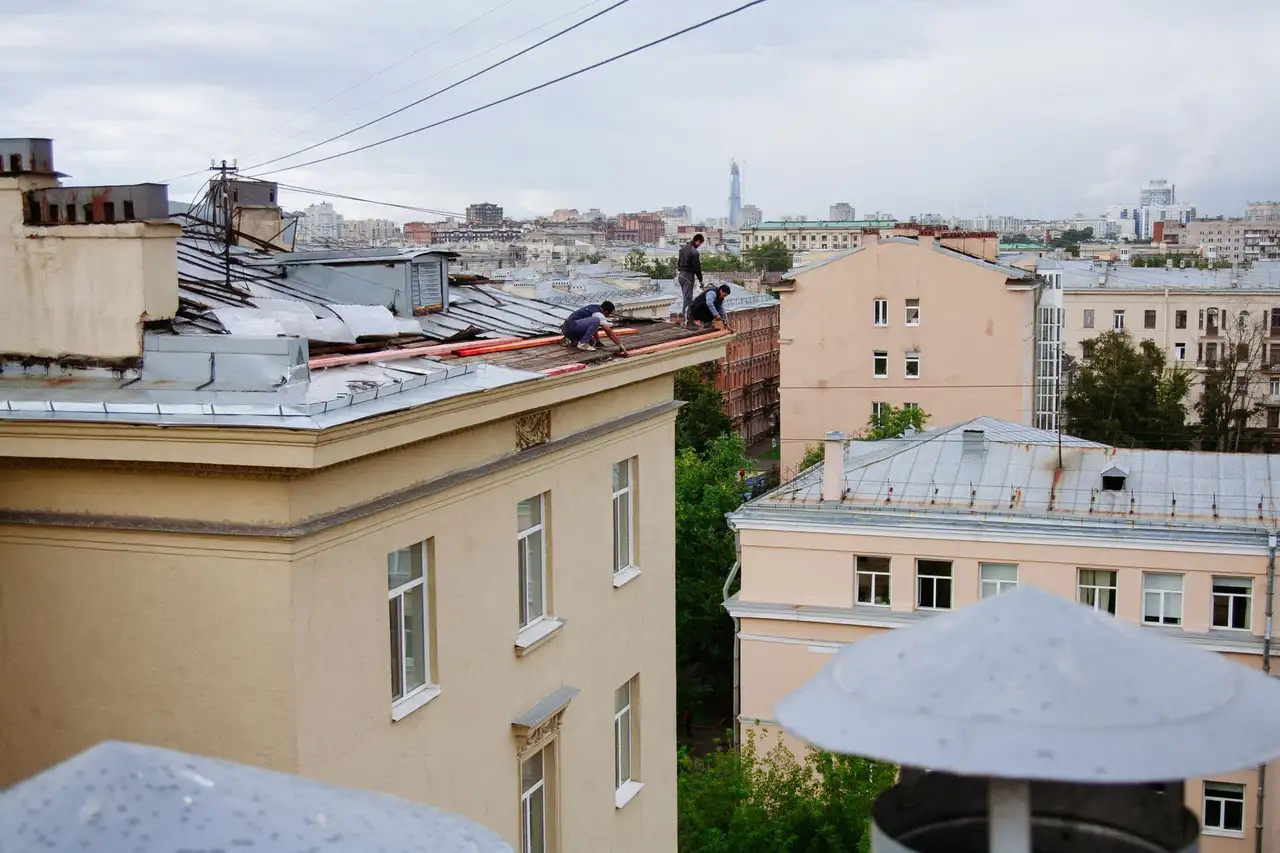
For homeowners
We repair chimney leaks on single-family homes across Knoxville. You get a hose test, a written scope, and photos of the finished flashing.
- Ceiling stain near chimney
- Daylight at the flashing
- Leak only in wind-driven rain
Chimney Roof Leak Repair in Knoxville starts with one question: where is the water actually getting in? We pull the chimney flashing apart, check the counter-flashing and step flashing, and rebuild the seal with new metal and ice and water shield. If you have been chasing a chimney leak fix in Knoxville every time it rains, we end the guesswork. Same-day service, 13 years in Knox County, and a hose test before we pack up.
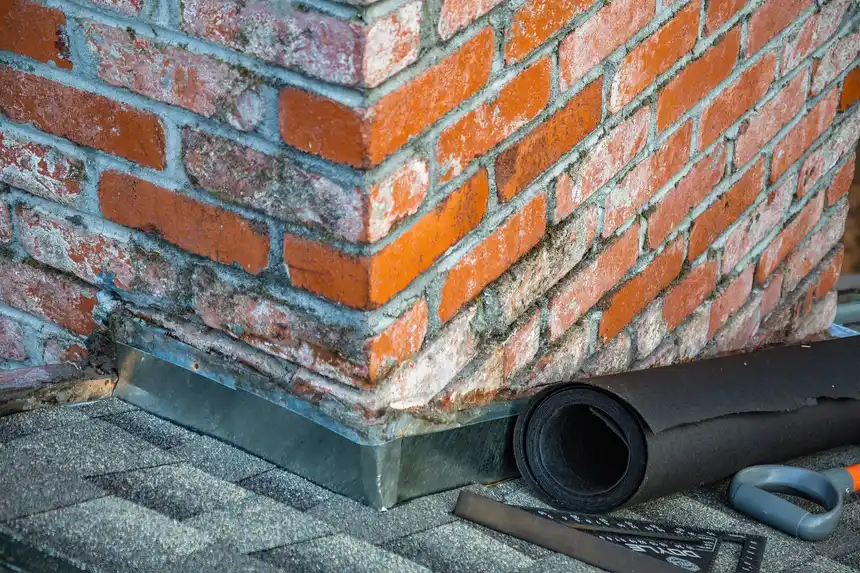 Hose-test the flashingCheck attic moisturePhotograph the repair
Every chimney leak job includes the diagnostic work, the flashing repair, and the final test. If we find rot or damage beyond the flashing, we show you photos and get approval before the scope changes. Here is what you can count on.
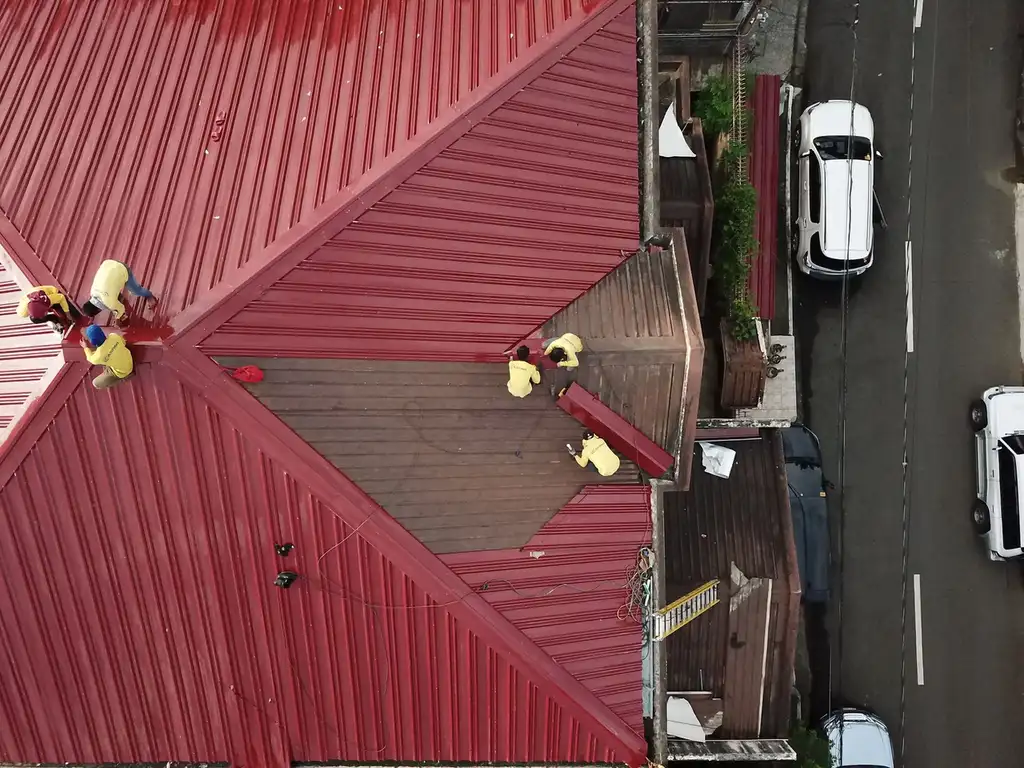
We walk the roof, check the chimney flashing, step flashing, and counter-flashing, then inspect the attic for water tracking. A moisture meter confirms whether the framing is wet. This takes 30 to 45 minutes and tells us exactly where the water is entering.
We run water against the chimney in stages until the leak shows. This is the step that proves the repair will work. Without it, you are guessing, and guessing is how homeowners end up paying twice for the same leak.
We pry out the failed metal, replace any rotted underlayment with Grace Ice & Water Shield, and install new step flashing and counter-flashing. Joints are sealed with Henry or Sika roof sealant rated for Tennessee freeze-thaw cycles.
New flashing has to weave into the shingle courses correctly. We replace damaged shingles with matching GAF, Owens Corning, or CertainTeed product and re-lace the courses so the repair blends into the roof.
We test the repair one more time, check the attic with the moisture meter, and send you photos of the finished flashing. You also get a written note on what was replaced and what to watch for over the next few months.
The approach is the same for a home and a business. What changes is the access, the schedule and who needs the paperwork.
We repair chimney leaks on single-family homes across Knoxville. You get a hose test, a written scope, and photos of the finished flashing.
We handle chimney and chase leaks on rentals and commercial buildings. Every repair comes with photo documentation for owners and insurance records.
A plain-language look at what Chimney Roof Leak Repair involves and when it is needed.
See how it worksChimney Roof Leak Repair in Knoxville is the process of finding and sealing the point where water enters around a masonry or metal chimney, then proving the repair holds under running water. Most chimney leaks do not come through the brick itself. They come from failed flashing, rusted step flashing, cracked counter-flashing, or a rotted pipe boot where the roof meets the chase. We remove the old sealant, pry out the failed metal, and rebuild the layers in the right order: ice and water shield, step flashing, counter-flashing, then a fresh bead of roof cement or polyurethane caulk.
Knoxville sits in a wind-driven rain belt, and the freeze-thaw cycles we get from December through March work flashing loose year after year. If you have water staining on the ceiling beside the chimney, or you can see daylight where the chase meets the shingles, that is a chimney leak repair Knoxville TN problem that gets worse with every storm. We see it constantly in older homes across Fountain City and Lonsdale, and in newer builds out in Hardin Valley where the flashing was nailed tight but never woven into the shingle course.
A chimney leak is a flashing problem until a hose test proves otherwise.
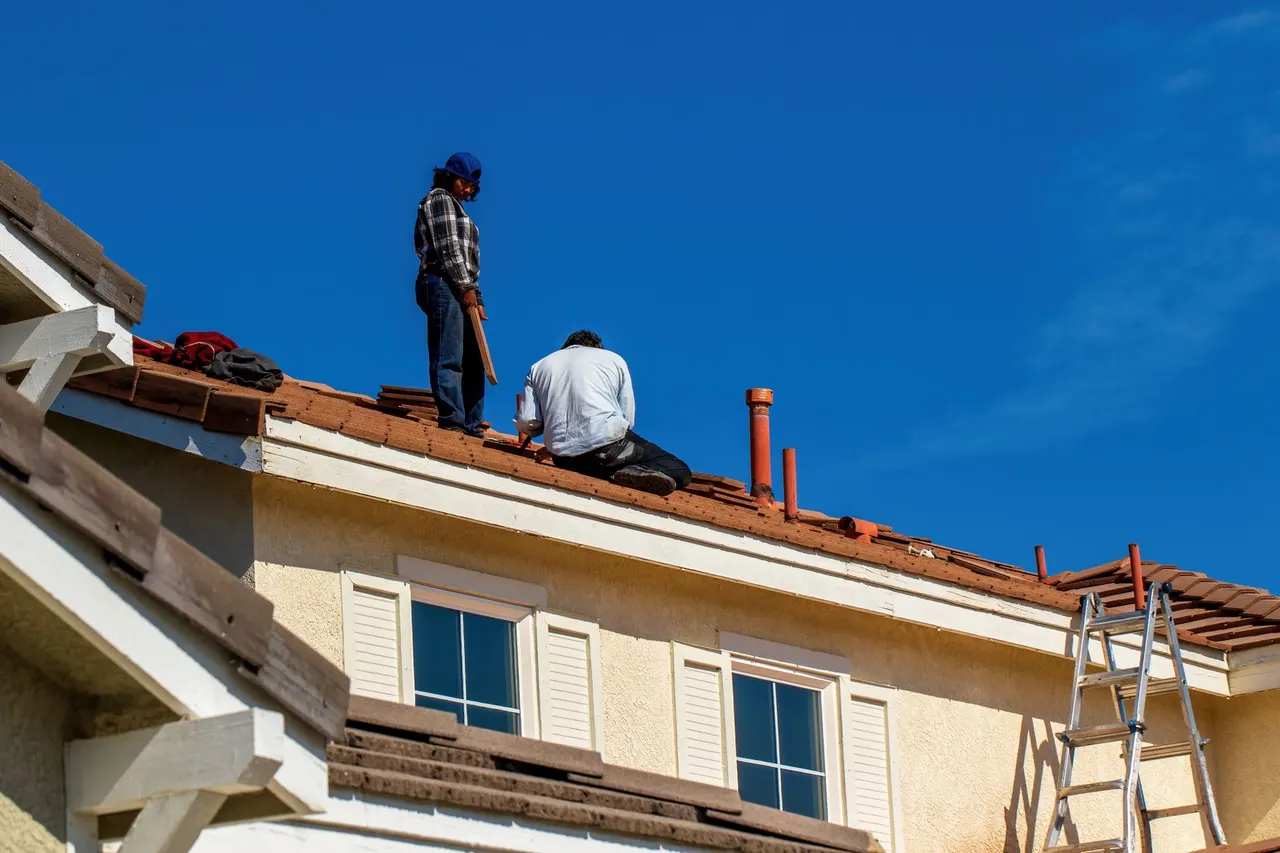
Every chimney leak job follows the same five steps. You will know what is happening, what it costs, and when we will be back if anything needs a second look.
We ask where the stain is, when it started, and whether the leak shows up in every rain or only with wind. That tells us whether we are looking at flashing, a crown issue, or a roof valley problem. Most calls take under ten minutes, and we schedule a same-day or next-day visit.
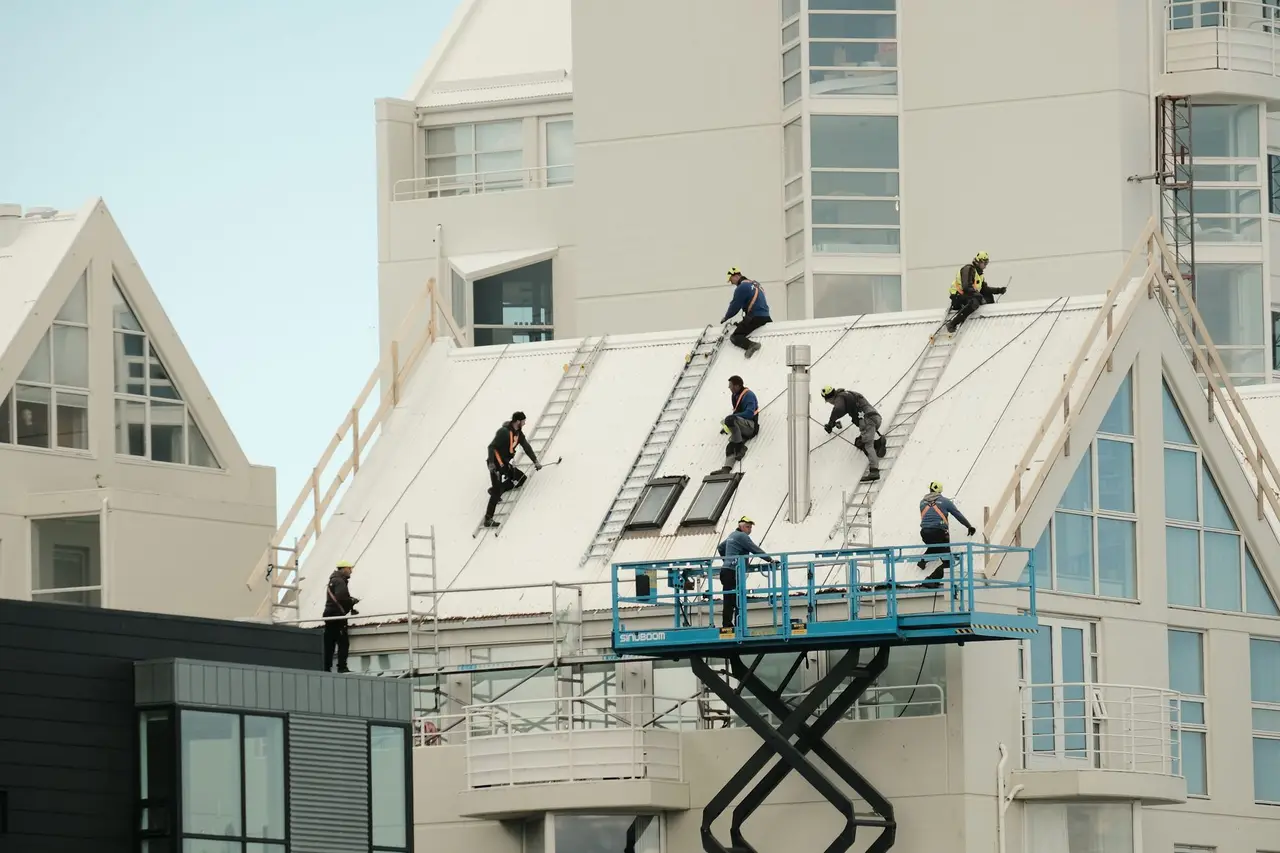
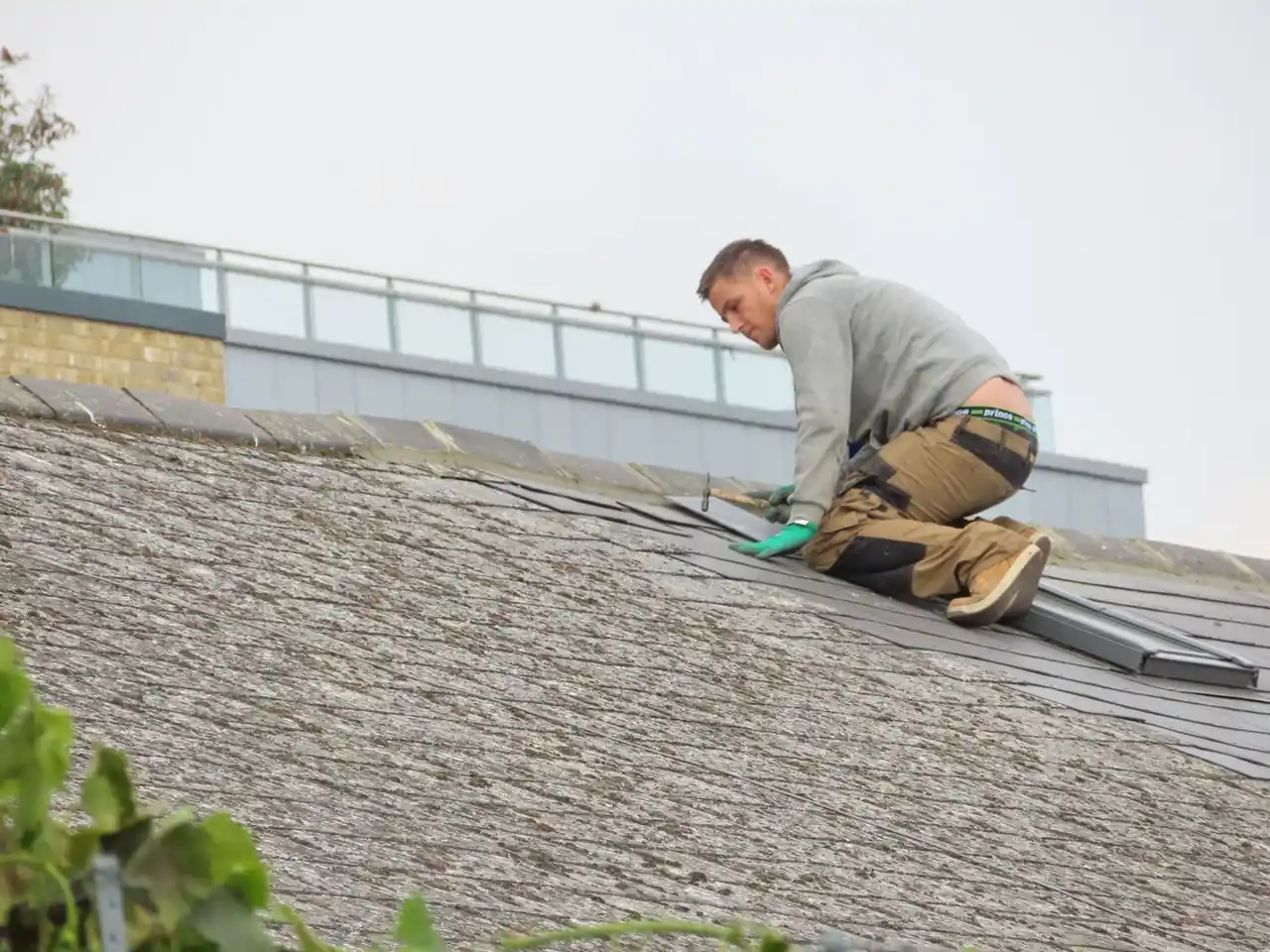
A technician walks the roof with a moisture meter and, when the leak is hard to pin down, an infrared thermal camera. We check the chimney flashing, step flashing, counter-flashing, pipe boots, and the shingle courses around the chase. Inside, we look for water tracking along the framing.

We run water against the chimney from the low side first, then work uphill until the leak shows itself. This is the step that separates a real repair from a guess. On most jobs the hose test takes 20 to 30 minutes and tells us exactly which layer failed.
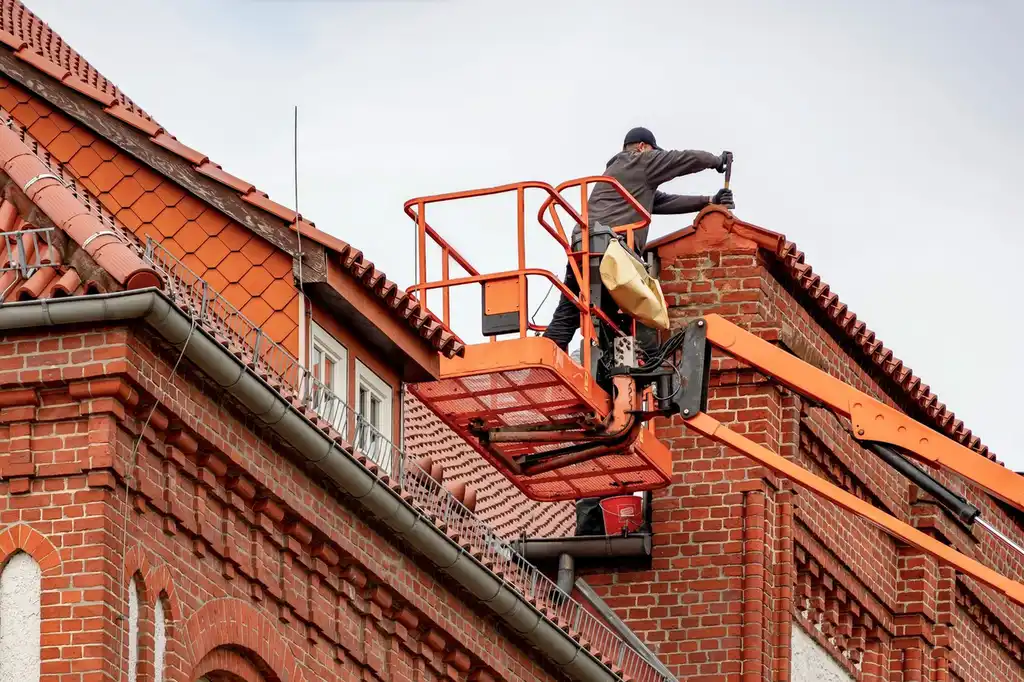
We pry out the failed metal with a pry bar, cut new step flashing and counter-flashing to fit, and set it over fresh Grace Ice & Water Shield. Fasteners get sealed, and we finish the joints with Henry or Sika roof sealant rated for the freeze-thaw swings we get here.
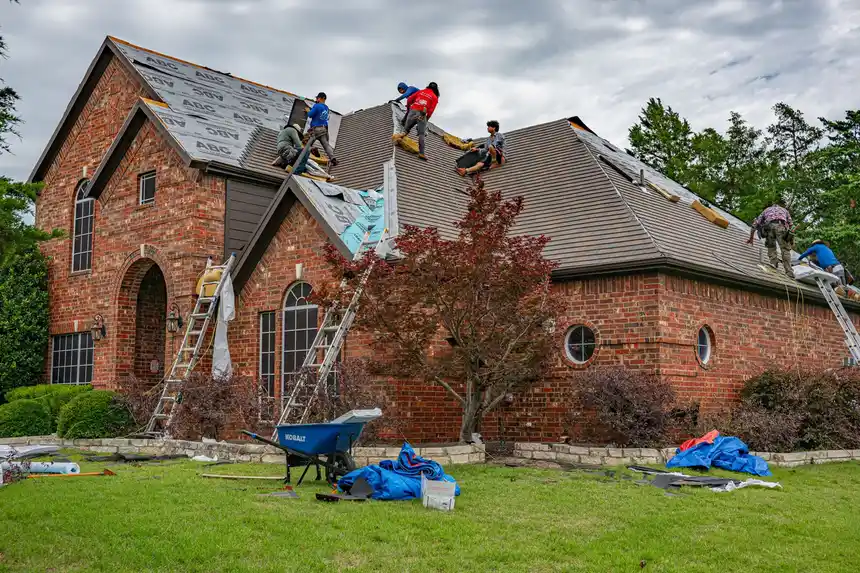
We hose-test the repair one more time, check the attic with the moisture meter, and magnet-sweep the yard for nails. You get photos of the finished flashing and a written note on what we replaced. Most jobs wrap in three to five hours.
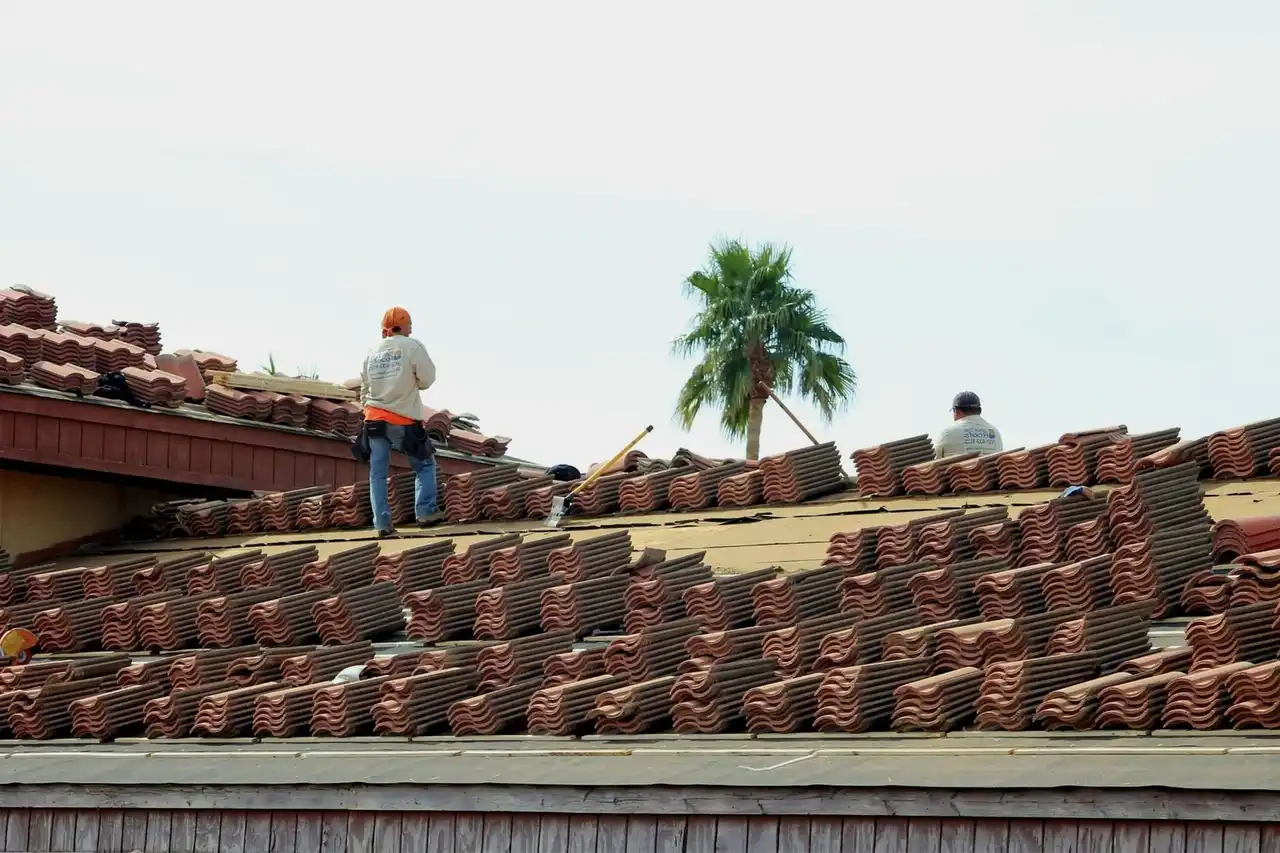
Move across a circle, or focus it and press Enter, for an illustrative thermal view of the photograph.
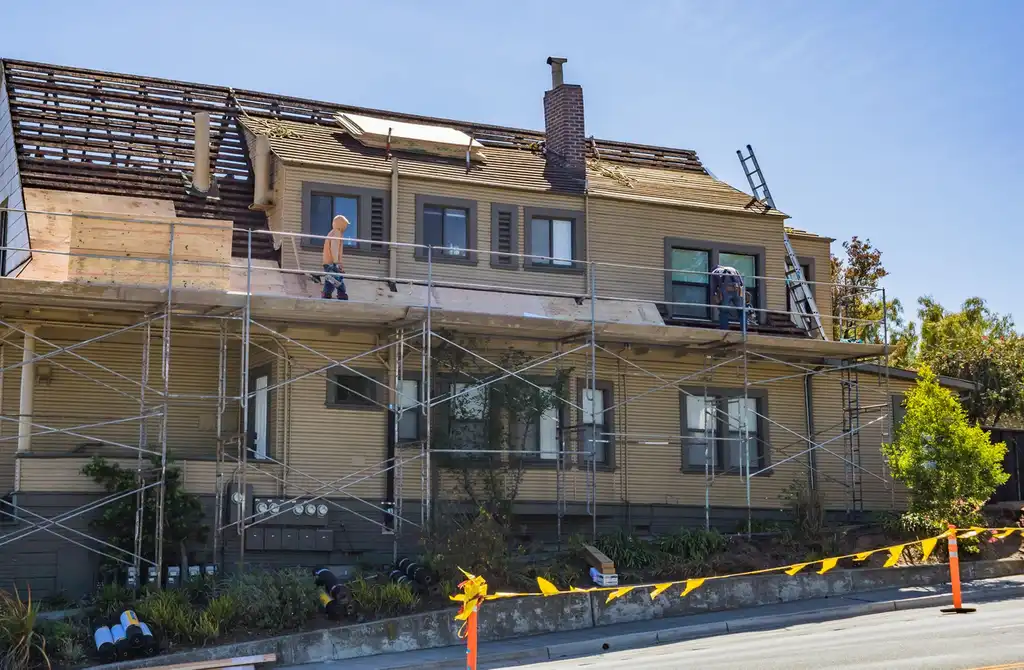
Confirms whether the framing and drywall around the chimney are wet, and gives us a baseline reading to compare against after the repair.
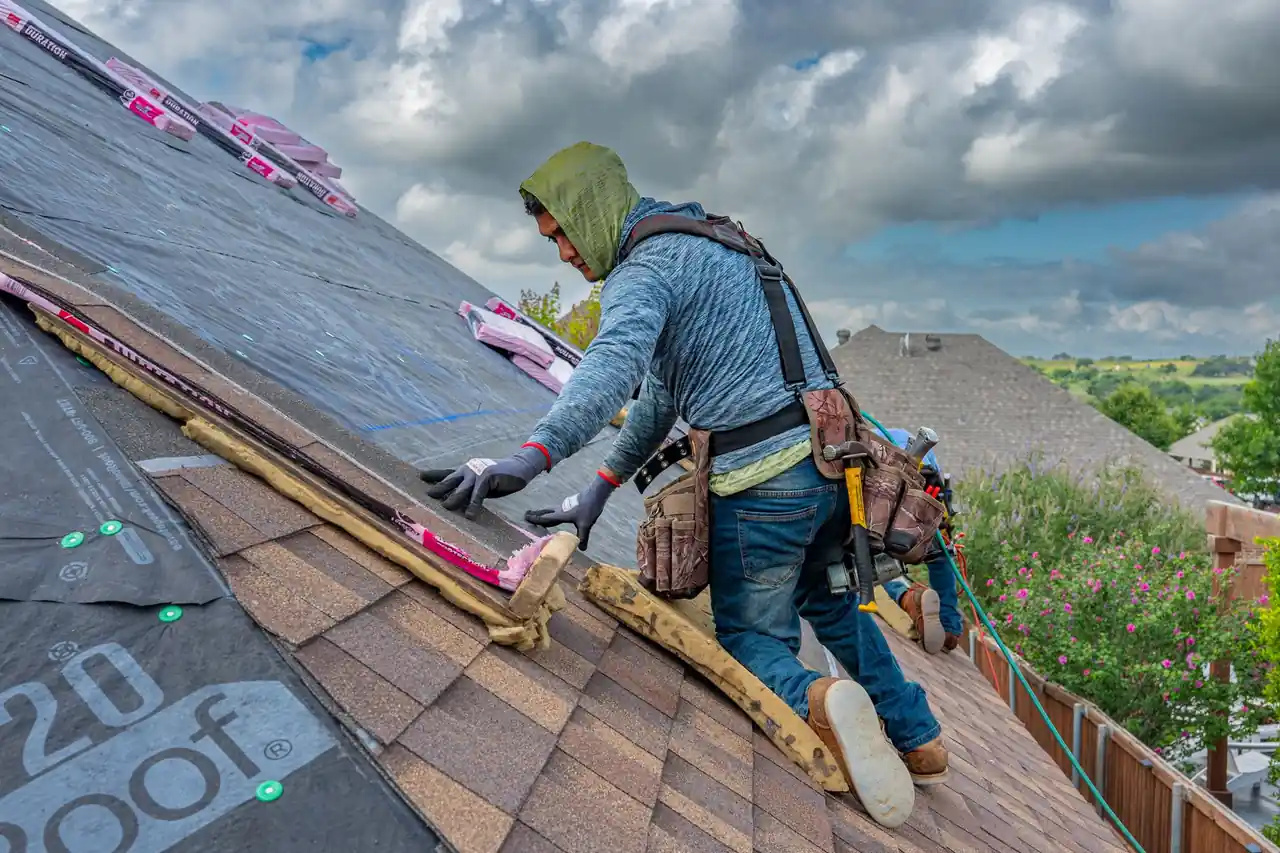
Shows temperature differences behind the drywall so we can trace water that has traveled away from the chimney before it shows up as a stain.

Lets us reproduce the leak on demand by running water against the chimney in stages, from the low side up, until the entry point shows itself.

Removes the old step flashing and counter-flashing without damaging the surrounding shingles or the chimney chase.
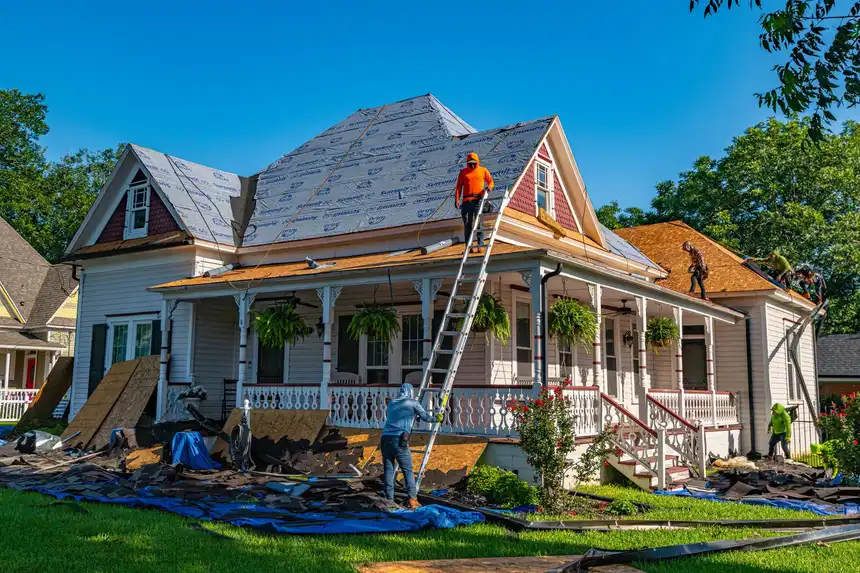
Applies Henry or Sika roof sealant to the flashing joints in a controlled bead so the sealant goes where it is needed, not everywhere.
Thermal views are illustrative, generated from the photographs.
Gets us onto the roof safely and lets us slide new flashing under the shingle courses without tearing up the surrounding roof.
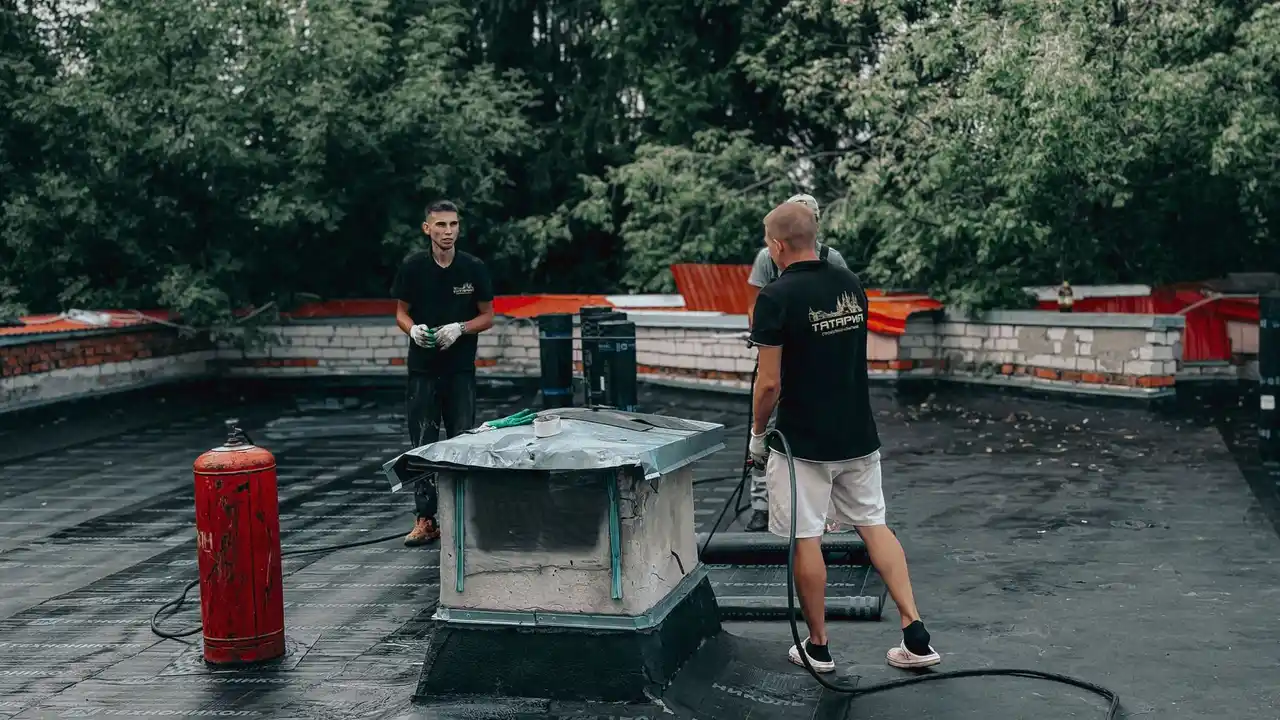
Documents tall or steep chimneys we cannot walk safely, and gives you photos of the flashing before and after the repair.
That means the right metal, the right fasteners, and the right underlayment in the right order.
We set new flashing over Grace Ice & Water Shield so that if a future joint fails, water still has a membrane stopping it from reaching the decking. This is the same approach used on new roof installations.
We run water against the chimney from the bottom up, one section at a time, until the leak shows. This method pinpoints the exact joint that failed instead of replacing everything and hoping.
We take moisture meter readings at several points around the chimney and in the attic, then compare them after the repair. If the numbers do not drop, we keep looking.
A homeowner in Fountain City notices a brown ceiling stain after a heavy October storm and calls before the winter rains start.
We inspect the chimney flashing, find that the step flashing has pulled away from the chase, and rebuild it with new metal and ice and water shield. The repair takes about four hours.
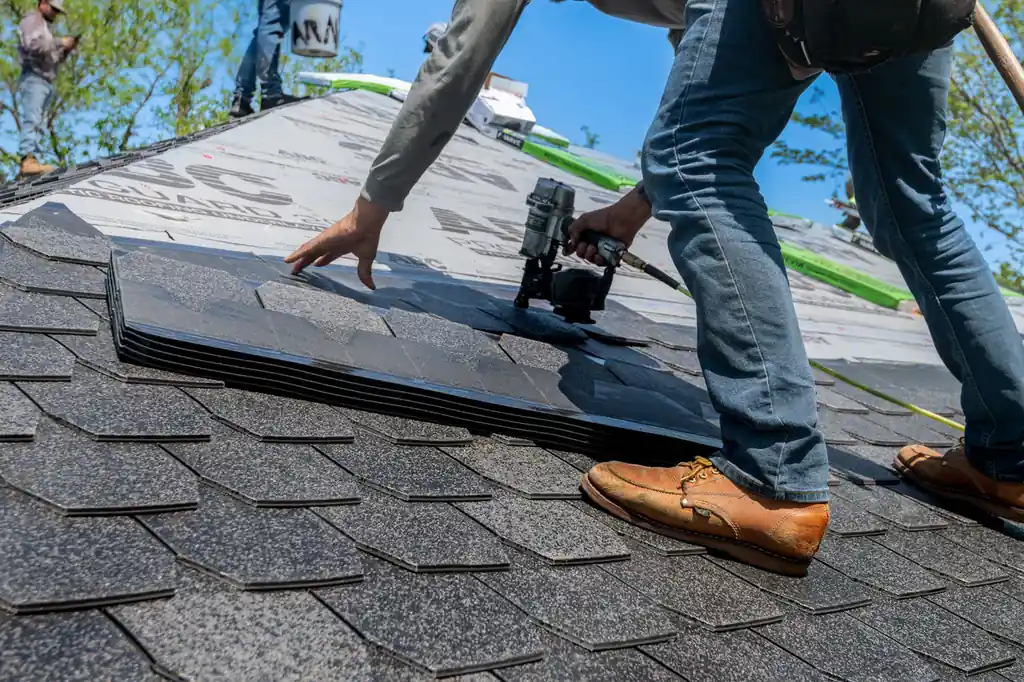
A property manager in Cedar Bluff has a tenant reporting water dripping into a closet beside the chimney during every storm.
We tarp the chase the same day, then return to replace the counter-flashing and the rusted pipe boot at the base. We document everything with photos for the owner.
Outcome: The tenant stops calling, and the owner has a written record of the repair for the next insurance review.
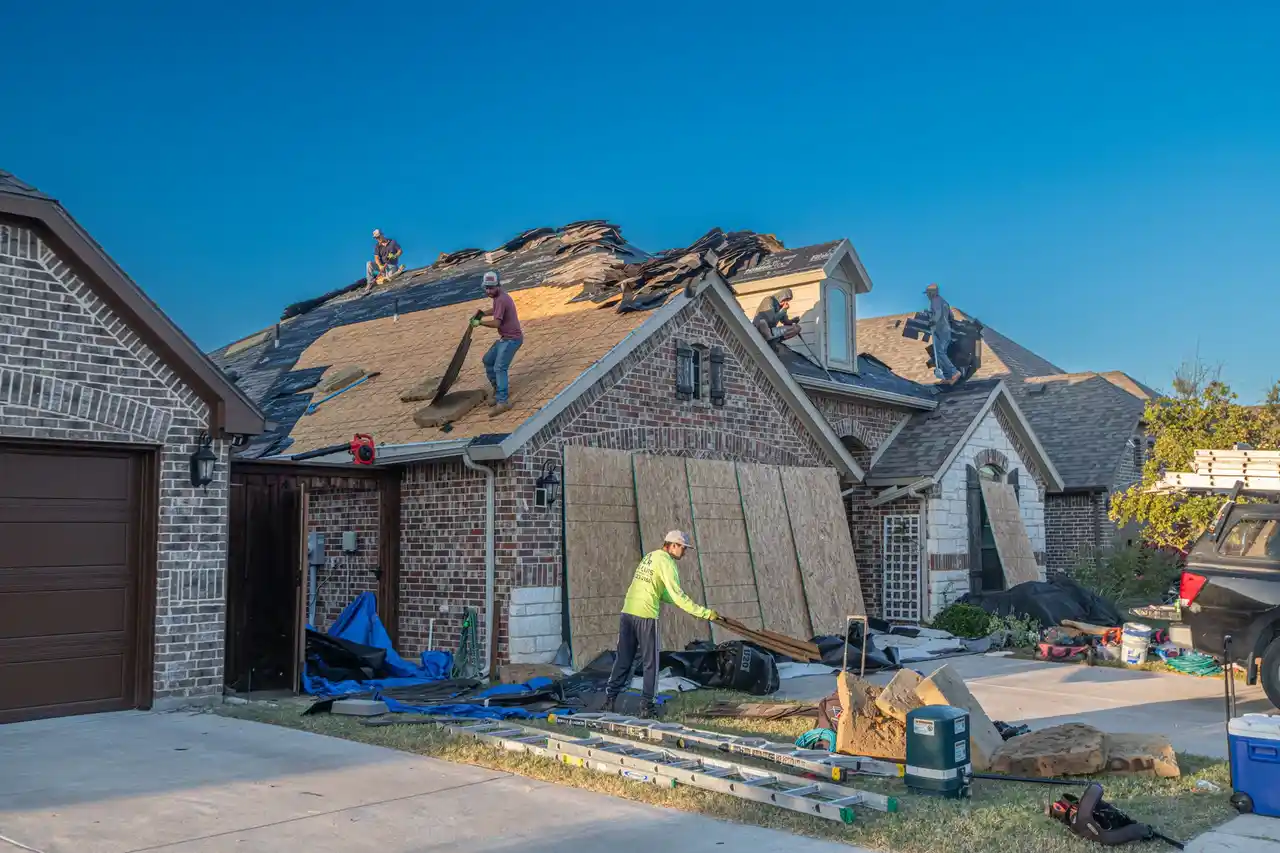
A homeowner in Sequoyah Hills has a 1920s brick chimney with a cracked crown and water showing up at the flashing joint.
We repair the crown with flexible sealant, re-point the open mortar joints, and rebuild the flashing where the chimney meets the roof. Both problems get fixed in one visit.
Outcome: The brick stops spalling, the leak stops, and the chimney is sealed at the top and the bottom.
A homeowner in Hardin Valley has a newer home where the chimney leak only shows up with wind-driven rain from the southwest.
We run a targeted hose test on the windward side, find the gap in the counter-flashing, and seal it. We also reinforce the step flashing on that side since it takes the brunt of the weather.
Outcome: The leak is reproduced and repaired in one visit, and the homeowner finally has an answer after two failed caulk attempts.
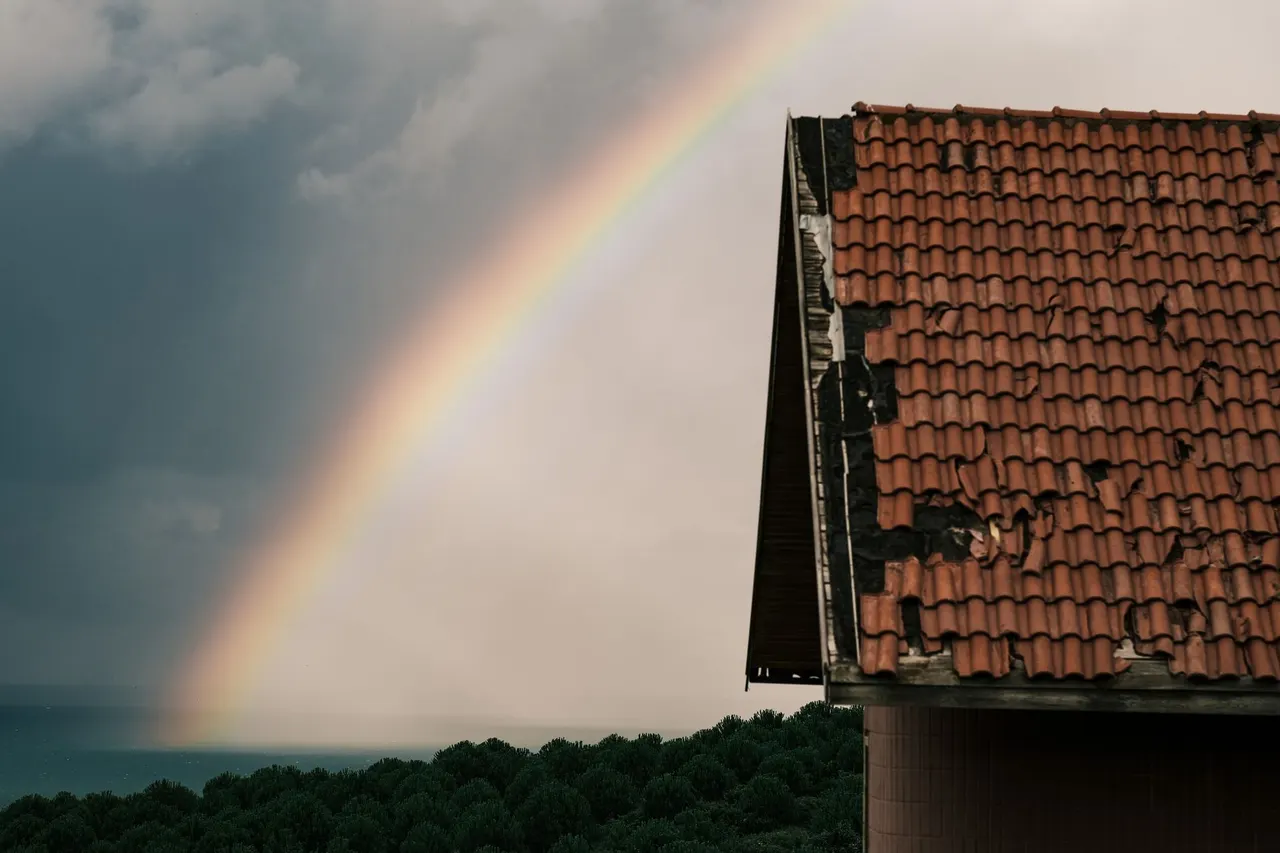
A homeowner in Old North calls after a winter storm with water actively dripping into a bedroom at 9 p.m.
We dispatch an emergency crew, tarp the chimney the same night, and schedule the permanent flashing repair for the next dry day. The tarp keeps the damage from spreading overnight.
Outcome: The bedroom stays dry, the permanent repair is done within 48 hours, and the homeowner avoids a full ceiling replacement.
Knoxville gets about 50 inches of rain a year, and a lot of it arrives sideways. The wind-driven storms we see in fall and spring push water against the chimney chase from the southwest, which is why so many leaks here only show up in certain storms. Add the freeze-thaw cycle from December through March, and flashing that was tight in October can be loose by February.
Older neighborhoods like Old North, Lonsdale, and Sequoyah Hills have brick chimneys with mortar that has been absorbing water for decades. Newer builds in Hardin Valley and Farragut often have prefab chases where the pipe boot fails first. We build every repair for those specific conditions.
If you need a chimney leak fix Knoxville homeowners trust, we start with a hose test aimed at the windward side, because that is where the water is actually coming from.
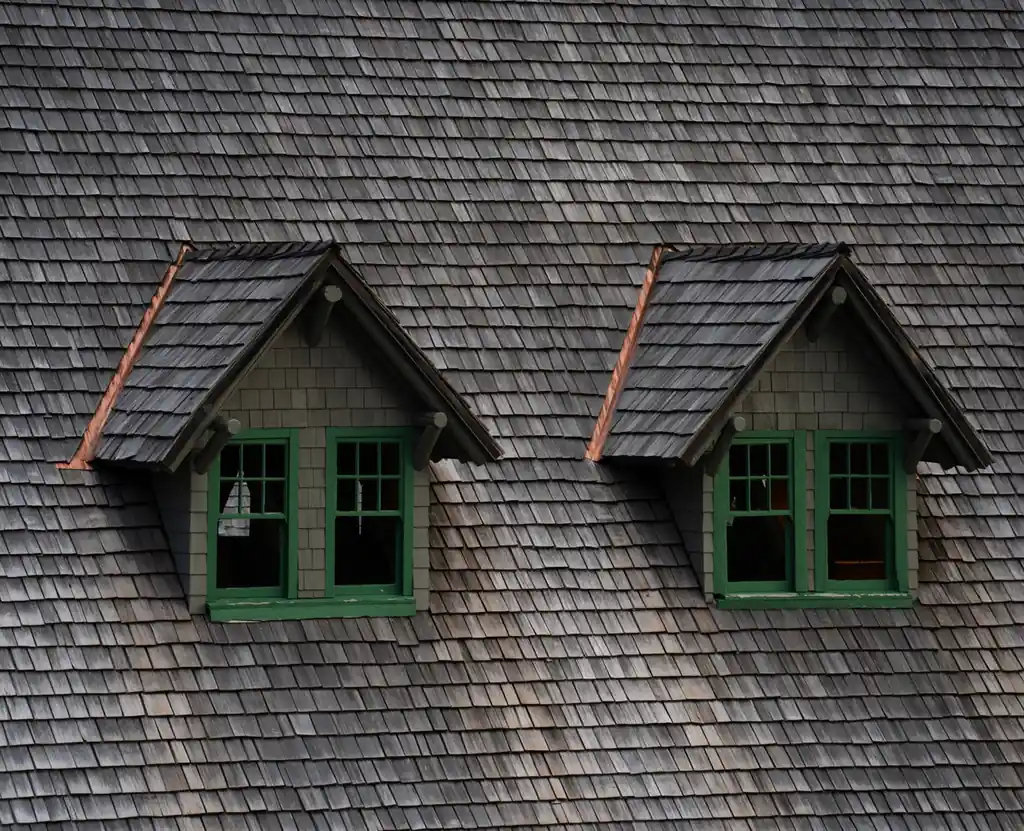
Before: A homeowner had a brown stain spreading on the ceiling next to the chimney. Two previous roofers had caulked the flashing from the roof without testing. The stain kept growing every storm.
After: We pulled the step flashing, found rotted underlayment, and rebuilt the flashing with new metal and Grace Ice & Water Shield. A hose test confirmed the repair. The stain stopped spreading within one rain cycle.
Check the flashing joint every fall before the rainy season. If you see cracked sealant, call us before the next storm rather than after.
Before: A property manager had a tenant reporting water in a closet beside the chimney during every storm. The leak had been going on for months and the drywall was soft to the touch.
After: We tarped the chase the same day, replaced the counter-flashing and the rusted pipe boot, and dried out the closet. The repair took two visits and the tenant stopped calling.
Have the chimney flashing inspected every two years on rentals. Catching a failed pipe boot early keeps it from becoming a drywall repair.
Before: A newer home had a chimney leak that only showed up with wind-driven rain from the southwest. Two dry-day inspections found nothing, and the homeowner was told there was no leak.
After: We ran a targeted hose test on the windward side and reproduced the leak in 15 minutes. The counter-flashing had a gap on that side. We sealed it and reinforced the step flashing. No leaks since.
After any storm with sideways rain, check the attic near the chimney for dampness. A quick look now saves a ceiling repair later.
Most chimney leaks fall into one of a few categories. Identifying which one you have is the difference between a repair that holds and a callback next spring.
A dry ceiling, a sealed chase, and no more guessing where the water comes from.
We do not smear caulk over wet flashing and call it done. We remove the failed step flashing and counter-flashing, replace the underlayment, and rebuild the seal so the next storm does not find the same gap.
Water that runs behind the chimney chase rots the sheathing, the ceiling joists, and the drywall below. We photograph what we find so you can see the damage before we close it up.
When a storm pushes water through the chimney and it is dripping into a bedroom, you need someone today. We run emergency chimney roof leak repair Knoxville calls seven days a week, and we can tarp the chase the same day while we schedule the permanent fix.
You get a written scope before we start. We tell you what is urgent and what can wait until spring.
Clear records you can keep and share.

Before and after images of the flashing
What was repaired and what was replaced
Meter readings from before and after
What to check before the next rainy season
Chimney leaks come from the flashing at the roof line or from the chimney structure above it. The fix depends on which one you have.
Water enters where the chimney meets the roof
Water enters the chimney structure itself
Water enters away and tracks to the chimney
A list like this tells people straight away whether you cover their street. Not listed? Call and ask: it only takes a minute.
Based in Knoxville and covering the places around it. Pick one for local details.
A simple flashing reseal with new sealant sits at the low end. Rebuilding step flashing and counter-flashing around a masonry chase lands in the middle. We give you the number before we start.
Nine times out of ten it is failed flashing, not the brick. The step flashing and counter-flashing around the chimney take the brunt of wind-driven rain, and our freeze-thaw cycles work the metal loose over a few winters. Cracked crown mortar, a rusted pipe boot, or shingles that were never woven into the flashing are the other common causes. A hose test tells us which one you have in under 30 minutes.
You want a roofer who does flashing work, not a chimney sweep who only handles the firebox. Call (865) 2988-904 and we will get you on the schedule.
You can, and it will hold for one or two rains. The problem is that caulk over wet or loose flashing traps water behind it, and the leak comes back worse. If the step flashing has pulled away from the chase, no amount of sealant fixes it.
Other services from the same team.
If water is coming in around the chimney, every rain makes the damage worse. Call Knoxville Roofing Company at (865) 2988-904. We will schedule a same-day or next-day inspection, hose-test the flashing, and give you a written price before any work starts.
Call us at (865) 2988-904 or send an email, and we will get back to you the same business day. We answer leak calls Monday through Friday, 8am to 6pm, and we check messages after hours for active leaks. Tell us what you are seeing and we will tell you what it likely is.